How Free Bets Became a Staple of Australian Sports Wagering Culture
Sports betting in Australia has a long and deeply embedded history, stretching back to the colonial era when horse racing served as one of the primary forms of organised gambling entertainment. Over the decades, that culture evolved considerably, shaped by shifts in technology, regulation, and consumer behaviour. Among the most significant developments of the past two decades has been the rise of the free bet — a promotional mechanic that transformed how Australians engage with wagering platforms and, in many ways, redefined the competitive dynamics of the entire industry. What began as a relatively simple marketing tool has grown into a structural feature of the Australian sports betting landscape, influencing everything from customer acquisition strategies to regulatory debates in Canberra.
The Origins of Promotional Betting Offers in Australia
To understand how free bets became so entrenched in Australian wagering culture, it helps to look at the regulatory and commercial environment that made their emergence possible. For much of the twentieth century, Australian sports betting was dominated by state-controlled totalisator agencies — the TABs — which operated under government licences and had little commercial incentive to compete aggressively for customers. Promotional offers were minimal, largely because there was no meaningful competition to respond to.
That began to change in the late 1990s and accelerated dramatically in the early 2000s, when the federal government’s Interactive Gambling Act 2001 created a framework — albeit a complex and sometimes contradictory one — for online wagering. The legislation prohibited online casino-style gaming but permitted online sports betting with a licensed operator. This created a significant opening for corporate bookmakers, both domestic and international, to enter the Australian market and compete directly for customers who had previously had little alternative to the TAB.
Operators like Centrebet, which had been operating out of the Northern Territory since the mid-1990s under that territory’s more permissive licensing regime, were early movers in using promotional offers to attract customers away from the incumbent TABs. The Northern Territory Racing Commission had established a licensing framework in 1993 that allowed bookmakers to accept bets from across Australia — a jurisdictional quirk that effectively created a deregulated national market for corporate bookmakers operating from Darwin. This environment was the seedbed for the promotional culture that would follow.
Free bets, in their earliest Australian incarnations, were relatively straightforward: deposit a certain amount, receive a bonus bet of equivalent or lesser value. The mechanics were simple because they needed to be — the digital infrastructure for more sophisticated conditional offers didn’t yet exist at scale, and the customer base was still becoming accustomed to online wagering as a concept. But even these early offers were effective at drawing customers in, and the competitive pressure they created was immediately apparent to other operators watching market share shift.
How the Free Bet Model Evolved Through Regulatory and Market Pressure
By the mid-2000s, the Australian online wagering market had become significantly more crowded. International operators, particularly those based in the United Kingdom, were eyeing the Australian market with considerable interest, and several moved to establish local presences or partnerships. This influx of new entrants accelerated the promotional arms race that had begun with the early corporate bookmakers. Free bets became more generous, more varied, and more strategically deployed around major sporting events — the AFL Grand Final, the Melbourne Cup, State of Origin, and international cricket series all became focal points for promotional campaigns.
The structural evolution of free bet offers during this period was driven by several factors. First, improvements in data analytics allowed operators to better understand which types of offers generated the most durable customer relationships, rather than simply attracting one-time depositors who would churn after exhausting a bonus. Second, the increasing sophistication of wagering software platforms made it possible to implement more complex conditional offers — matched bets, multi-bet bonuses, money-back specials on specific outcomes — that were more engaging and harder to exploit arbitrarily.
Third, and perhaps most importantly, the competitive pressure from operators meant that free bets shifted from being a differentiator to being a baseline expectation. Australian bettors, particularly those who wagered regularly on sport, came to expect some form of promotional offer as a standard feature of any platform they considered using. Comparison resources emerged to help bettors navigate the landscape of available offers, and communities formed around the practice of identifying and maximising bonus bet value. For anyone researching available promotions and understanding their terms, consulting this page or similar aggregator resources became a common step in the decision-making process for new customers evaluating which operator to join.
The regulatory response to the proliferation of free bets was gradual and, for much of the 2000s and early 2010s, relatively permissive. State and territory racing authorities, which retained jurisdiction over wagering licensing, were generally reluctant to impose restrictions that might disadvantage locally licensed operators relative to offshore competitors. The federal government’s Interactive Gambling Act, as originally written, did not specifically address bonus betting offers, leaving a regulatory gap that operators were happy to occupy.
That began to change following the 2013 Review of Illegal Offshore Wagering and, more substantially, the 2015 O’Farrell Review, which produced a comprehensive set of recommendations for modernising Australia’s online wagering regulatory framework. Among the concerns raised in these reviews was the role of inducements — including free bets — in encouraging problem gambling behaviour. The reviews documented evidence that promotional offers were disproportionately effective at attracting and retaining customers with gambling disorders, and that the terms attached to many offers were sufficiently opaque to mislead ordinary consumers about the actual value and conditions of the bonus.
The Impact of the 2018 Reforms and the Ongoing Debate About Inducements
The most significant regulatory intervention affecting free bets in Australia came through the Interactive Gambling Amendment Act 2017, which took effect in 2018. The legislation introduced a range of new requirements for licensed wagering operators, including enhanced verification procedures, responsible gambling messaging obligations, and — critically — new restrictions on the use of credit for wagering. While the 2018 reforms did not ban free bets outright, they created a more demanding compliance environment that forced operators to review how they structured and marketed promotional offers.
Concurrent with the federal legislative changes, individual state and territory regulators began imposing more specific requirements around bonus bet advertising. South Australia, for instance, introduced requirements that bonus bet advertising include clear disclosure of wagering requirements — the conditions under which a bonus bet could be converted to withdrawable cash — rather than simply promoting the headline offer value. These requirements, while seemingly technical, had a meaningful impact on how operators communicated their offers, pushing the industry toward greater transparency in promotional material.
The debate about free bets and inducements intensified further following the 2022 parliamentary inquiry into online gambling, which produced a report — “You Win Some, You Lose More” — that was notably critical of the industry’s promotional practices. The inquiry heard evidence from gambling harm researchers, public health advocates, and former problem gamblers about the role that bonus bet offers played in normalising wagering behaviour and encouraging escalating participation. The report recommended a phased ban on gambling advertising, including promotional offers, which would represent a fundamental transformation of how free bets function in the Australian market if implemented.
As of the mid-2020s, that ban has not been implemented in full, though the federal government has signalled its intention to introduce further restrictions on gambling advertising, including during live sports broadcasts. The precise implications for free bet marketing remain contested, with the industry arguing that targeted promotional offers to existing, verified customers are meaningfully different from broad advertising to the general public, and that a blanket prohibition would be disproportionate. Consumer advocates and public health researchers have largely pushed back on this distinction, arguing that the evidence base supports more comprehensive restrictions.
What is clear is that the regulatory trajectory in Australia is toward greater scrutiny of promotional wagering offers. Operators have responded by investing in responsible gambling technology — tools that allow customers to set deposit limits, self-exclude from promotional offers, or restrict their own access — and by developing more sophisticated internal frameworks for identifying customers for whom promotional offers may be inappropriate. These developments reflect a genuine shift in how the industry approaches the ethics of free bets, even if critics argue the shift has been insufficient.
Free Bets, Consumer Behaviour, and the Cultural Normalisation of Wagering
Beyond the regulatory and commercial dimensions, the rise of free bets has had a broader cultural effect on how Australians relate to sports wagering. Australia already had one of the highest rates of gambling participation in the world before the online wagering boom — the 2010 Productivity Commission report on gambling estimated that Australians lost approximately $19 billion annually across all forms of gambling, with per capita losses among the highest globally. The proliferation of free bet offers through the 2010s contributed to a further normalisation of sports betting as a routine accompaniment to watching sport.
This normalisation operated through several mechanisms. Free bets lowered the perceived financial risk of trying a wagering platform for the first time — if a new customer could place their first bet with a bonus rather than their own money, the psychological barrier to entry was substantially reduced. The framing of free bets as a “gift” from the operator, rather than a marketing expenditure designed to create habitual customers, helped position wagering as a form of entertainment rather than a financial risk. And the integration of wagering offers into sports broadcast commentary and advertising — a practice that became ubiquitous during the 2010s — meant that free bets became part of the ambient noise of Australian sports culture.
The demographic effects of this normalisation have been documented in several Australian studies. Research published by the Australian Gambling Research Centre found that younger Australians — particularly men aged 18 to 34 — were significantly more likely to have engaged in online sports betting than older cohorts, and that promotional offers were frequently cited as a reason for first trying a wagering platform. This cohort effect has significant long-term implications: patterns of wagering behaviour established in early adulthood tend to be durable, meaning that the customers acquired through free bet promotions in the 2010s represent a substantial share of the active wagering population into the 2030s and beyond.
It is also worth noting the role that social dynamics have played in spreading wagering culture among younger Australians. The practice of sharing information about free bet offers — through online forums, social media groups, and word of mouth — created communities of practice around bonus wagering that went beyond simple financial motivation. For many participants, the identification and exploitation of promotional offers became a form of sport in itself, with a social dimension that reinforced continued engagement with wagering platforms. This community aspect of free bet culture is often underappreciated in policy discussions that focus primarily on individual behaviour and harm.
Major sporting events have served as particularly powerful catalysts for free bet uptake. The AFL and NRL seasons, in particular, generate enormous volumes of promotional activity, with operators competing to offer the most attractive sign-up bonuses and event-specific promotions during finals periods. The Melbourne Cup has historically been the single largest wagering event in the Australian calendar, and the promotional activity surrounding it — including free bet offers distributed through mainstream media partnerships — has introduced many Australians to online wagering who might not otherwise have engaged with it. The Cup’s cultural status as a national event has made it an unusually effective vehicle for normalising wagering as a participation activity rather than a specialist interest.
The technology platforms through which free bets are delivered have also evolved considerably. Early web-based interfaces have given way to mobile applications that integrate odds, live streaming, account management, and promotional offers into a seamless experience. Push notifications — alerts sent directly to a customer’s phone — have become a primary channel for communicating free bet offers in real time, timed to coincide with match previews, team announcements, or other moments of heightened sporting interest. The immediacy of mobile delivery has made free bets more effective as engagement tools, but has also raised concerns about the difficulty of maintaining distance from wagering impulses in an environment where promotional offers arrive unsolicited on personal devices.
Looking at the international context helps clarify what is distinctive about Australia’s relationship with free bets. The United Kingdom, which has a comparably mature online wagering market, moved earlier and more decisively to restrict certain types of promotional offers — particularly those with highly complex wagering requirements that made it difficult for consumers to understand the real value of a bonus. The UK Gambling Commission’s 2019 guidance on bonus terms and conditions set a precedent for transparency requirements that Australian regulators have partially drawn on in their own reforms. Other markets, including several European jurisdictions, have imposed outright bans on certain categories of welcome bonuses, an approach that Australian regulators have so far stopped short of adopting.
The comparison with the UK is instructive in another respect: even in markets where regulatory restrictions on free bets have been tightened significantly, the promotional offer has proven remarkably resilient as a commercial tool. Operators have adapted by restructuring offers to comply with new requirements while preserving their core function as customer acquisition and retention mechanisms. This adaptability suggests that even if Australian regulation moves toward more significant restrictions on free bet advertising, the underlying practice is unlikely to disappear entirely — it will evolve in form while persisting in function.
The story of free bets in Australia is ultimately a story about the intersection of commercial innovation, regulatory lag, and cultural change. What began as a relatively modest promotional tool in the late 1990s has become deeply embedded in the fabric of Australian sports culture, shaping how millions of Australians engage with sport, how operators compete for customers, and how policymakers think about the appropriate boundaries of gambling promotion. The ongoing regulatory debate about the future of free bets reflects genuine uncertainty about how to balance consumer freedom, commercial viability, and public health in a market that has changed more rapidly than the frameworks designed to govern it. How that balance is ultimately struck will determine not just the future of promotional wagering in Australia, but the broader shape of the country’s relationship with sports gambling for years to come.
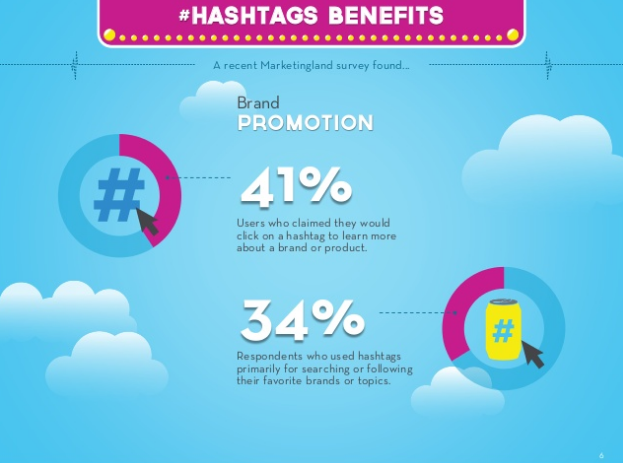
Sebuah pesan memang harus disampaikan dengan jelas dan lengkap. Jika tidak, pesan tersebut tidak akan sampai kepada audiens. Nah, disitulah tantangannya, bagaimana kita mengolah kata-kata sedemikian rupa menjadi hashtag yang powerful untuk mewakili pesan dari brand dan produk Anda. Belum terbayang? Oke, berikut contohnya. Minute Maid menggunakan hashtag #doingood. Mereka memberikan pesan kepada masyarakat luas untuk selalu melakukan hal-hal yang baik. Sebenarnya, kalo dilihat dari sisi lain, Minute Maid disini juga bermaksud jika menggunakan produknya mereka adalah salah satu cara “melakukan sesuatu yang baik”.
Kadang sulit memang untuk membuat sesuatu yang unik dan belum ada sebelumnya. Ditambah lagi harus menuangkan dalam sebuah kata atau kalimat. Jika keunikan ini sudah ditemukan dan dijalankan dengan tepat, akan menimbulkan daya tarik tersendiri bagi brand dan sebuah produk untuk menjadi pembicaraan.
Salah satu contoh yang pernah dilakukan, yaitu pada saat Coca Cola memproduksi kemasan botol dan juga kaleng bertuliskan “Share a Coke With” dengan nama dan titel berbeda, misalnya “Share a Coke with Mom” atau “Share a Coke with Michael” dll. Coca Cola pun berhasil menggunakan hashtag #ShareACoke untuk memancing pelanggan mereka menge-tweet dan berbagi kisah-kisah mereka menggunakan hashtag ini.
Jika masih belum menemukan yang sesuai, Anda mungkin bisa mencari inspirasi dari hashtag-hashtag yang sedang trending di media social. Mungkin ada yang bisa di “modifikasi” menjadi hashtag yang “gue banget”.