
(Image: http://www.exacttarget.com)
Are you listening?
I mean it, are you really listening?
It’s no secret that people loves talking more than listening. That’s why Dale Carnegie in his legendary book “How to Win Friends and Influence people” wrote that one of the most effective way to win friends and influence people is to listen.
There is a reason why Dale Carnegie’s book is still regarded as one of the most powerful book ever written; because it’s timeless. Many years had passed since the inception of the book, but the lesson inside it still ring true even to this day; especially the listening part.
Even though we know that listening is important, sometimes we just can’t help it. That’s why there are still a lot of brands and marketers who still rely on the old-fashioned, Mad Men era style of marketing: “If you scream loud enough, someone will eventually listen. If you talk a lot about the quality of a product, someone will bind to buy it.”
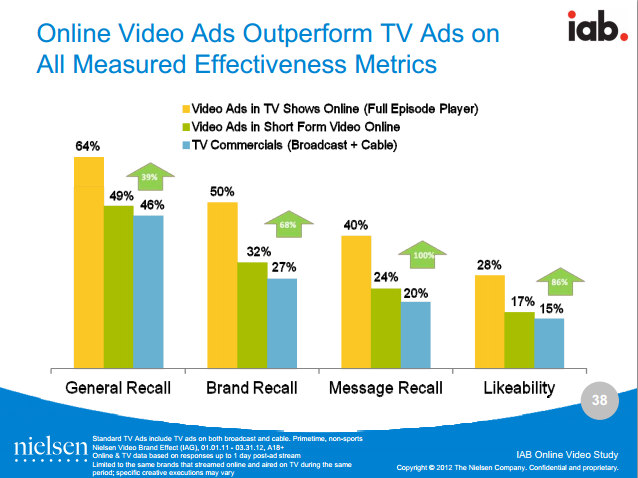
Let me tell you, folks. In this day and age, screaming will only waste your breath. Let’s face the fact that advertising is not what it used to be. In the old days, you can use television advertising to get attention. There is no internet; there are only few channels, and even fewer distractions. In other word, back in the day people have fewer options.
(Image: http://cdn.business2community.com)
But today, if you use television ads, people can skip the channel, use their mobile devices, or even quit television and watch YouTube. I mean, who can even stop them?
That’s why listening is of the essence. You can’t just scream and hoping for people listens. Instead, you should start listening to hear what people really want. If you can hear what people really want, then you can create something that resonates with the people. This is the basic formula of modern marketing. Listen to what people want. Tap into their stories. Share their insight. If you do that, you can be a successful marketer.
So how can we listen to the people? The answer is: Social Media.
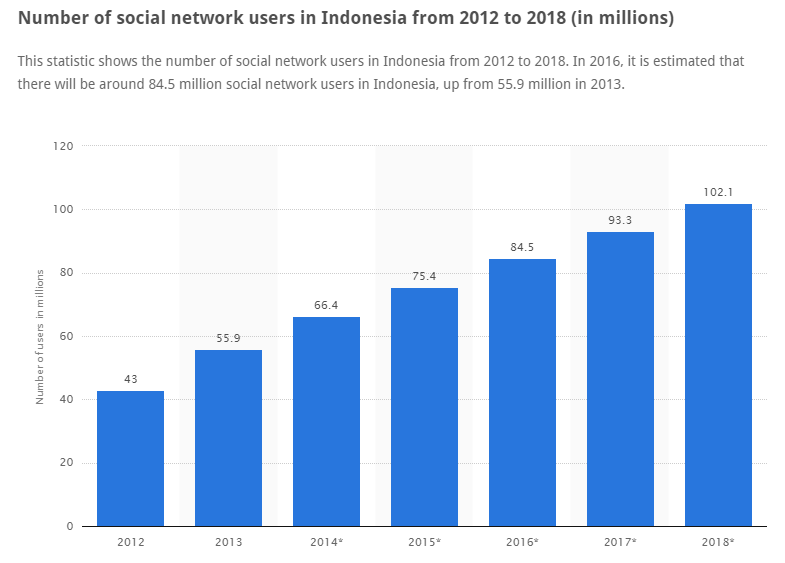
Why social media? Because it’s where the people are. Social media is a place where people interact, speaking, complaining, sharing, discussing, it’s a place where ideas constantly exchanged. Social media is a perfect place to listen your consumer while crafting and delivering an effective marketing strategy.
Using Social Media as a Marketing Platform
The concept is fairly simple. You just have to create a social media business account. Choose a social media platform where you think most of your consumer will gather, and then you can start to setting up your official account.
Facebook has an official ‘fan page’ where business, brands, and even people can create their own platform to sell, market, and gathering their followers and consumers.
Although Twitter has no ‘business’ account, you can still create an account under the name of your business/brand. The same goes for Instagram, Pinterest, Vine, YouTube, Google+ and even social messaging app such as Line, Whatsapp, or BBM. Each of these social networking platforms has their own unique set of consumers.
(Image: http://www.statista.com)
By getting to know the characteristics of these social media and their ‘unique’ consumers, you can deliver a powerful message that is even more effective than any advertising could ever achieve.
Setting up a social media account is very easy. So what’s the next the step? Before moving even further, consider these 5 strategies first:
- Planning
Building a social media marketing plan is essential. Brainstorm content ideas that will interest your target audience. Consider key words that your consumer will search for in order to gain information and insight about your brand strategy. Create brand activation plan to increase engagement and boost follower.
- Create compelling content
Remember that social media is not another advertising platform. You can’t just hard sell your way out of everything. Talk about something that will interest your consumer. Tap into the latest trend. Connect your content with your brand or business in the most delicate way possible. Create something original and remarkable. Social media is all about the people and your consumer, it’s not about you. So listen to them.
- Track Competitors
With social media, you can listen to what your competitors are saying. Follow your competitors; see the way they’re doing their social media marketing or campaign. Use competitor’s insight to improve your own marketing technique and services. If your competitors are using a certain social media marketing technique that seems to be working for them, do the same thing, but does it better!
- Measure Success with Analytics
Invest your time in learning and practicing social media analytic tools. Tracking data using social media analytic tool can determine which content or strategy is working for your brand. Listen to your consumer, listen to your competitor, and more importantly listen to the data.
- Blog
Blogging is a great social media marketing tool that lets you share a wide array of information and content with readers. Your company blog can also serve as your social media marketing blog, in which you blog about your recent social media efforts, contests, and events.
- Social Media Ads
Some social media platforms such as Facebook, Twitter, and Linkedin provide ads as one of the feature to promote your business and product. Consider using these ads to boost your brand and business presence in the digital world.
So after you learn about these 6 strategies, the next step is to know your platform. To help you decide what social media platform to you use, we have provide you with an overview on how to use social media marketing according to each platform’s unique environment and consumer.
Various social media marketing sites will require different techniques, so develop a unique strategy tailored for each platform:
Facebook is the social media darling of the world. Most of the netizen in the world gathered in Facebook to quench their thirst for information and latest updates. If you want to use Facebook as a social media marketing platform, then you need to consider using a really compelling and original content. Not to mention that you also need to invest in creating an engaging visual for your post, profile picture, cover photos, and you overall Facebook fan page.
The good thing about Facebook, is that you can use the Facebook ads to target your specific consumer. This way, you attract the kind of consumer that you want. This will help boost engagement for your brand and product.
People in Facebook like casual things. They like to share funny pictures and videos, helpful tips, and beautiful pictures. They also like to engage in a discussion about specific topics. Make sure that you provide contents that cater to these casual natures of Facebook user.
Twitter is very helpful to gain insight about your consumer and audience. It can help you track what consumer said about your brand. Twitter is also a powerful tool to promote quick updates, customer service, and initiate fun and engaging conversation with your consumer.
Mix up your official-related tweets about specials, discounts, and news updates with some fun and quirky tweets interspersed. Use gif and pictures to empower you messages. Be sure to retweet when a customer has something nice to say about you, and don’t forget answer people’s questions when possible. Using Twitter as a social media marketing tool revolves around dialog and communication, so be sure to interact as much as possible
- YouTube
YouTube is the number one place for creating video content. YouTube is also a place where young netizens gather. The platform is a very powerful tool to promote a creative and engaging video. If your video content is great, you have a chance to make that video go viral and spread all across the internet.
If you don’t think you can create a creative and great content, create a simple how-to or promotional video instead. The original video that you uploaded will create added benefit of ranking on the video search results of Google, so don’t under-estimate the power of video content!
Linkedin is one of the more professional social media marketing sites. LinkedIn Groups is a great venue for entering into a professional dialog with people in similar industries and provides a place to share content with like-minded individuals.
Encourage customers or clients to give your business a recommendation on your LinkedIn profile. Recommendations make your business appear more credible and reliable for new customers.
Instagram is the ultimate gathering place for the young netizens. If your brand or business is focused on fashion, food, and art, then this is the right place to market your product. Instagram users are very visual. They are attracted to something beautiful and eye-popping. So tailor you content and photos to meet these needs. Create beautiful photos that will attract attention of your consumers.
So, after you decided what social media platforms to use. The next step is to communicate.
Using Social Media to Communicate with Customer
(Image: http://adespresso.com)
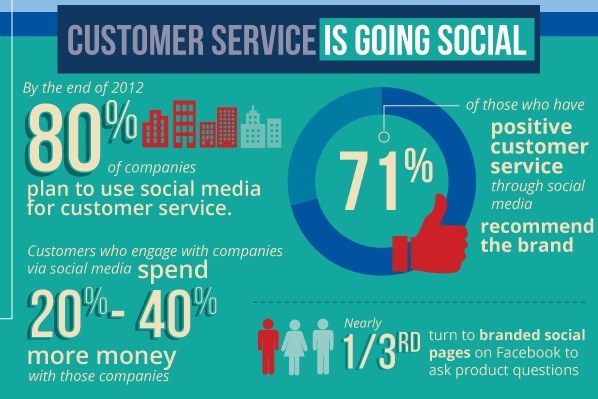
Using social media is not complete without actually listening to the dozens of conversations that take place in social media. But it’s useless to just listen to every conversation. So listen to the conversation that really mattered; which is a conversation that generated by your customer.
If you really listening to your customer, it means that you are ready to use your social media platform as a customer service tool. The idea of using social media as a customer service tool is not new. Here are 5 reasons why it is important to use Social Media as a customer service:
- Communication is Urgent and Immediate
When people are upset, or when they need answers to their questions, they want a response immediately. They don’t want to wait 24 hours for their email to be read, sorted, and responded to. They don’t want to wait on hold for 30 minutes.
Now, the beauty of social media lies in its urgency. The minute somebody makes a post on your Facebook wall or a Twitter post mentioning your brand, your admin will receive a notification to take action. If you can respond within minutes of the original post, you’ll be able to make your customer very happy. If not, then it will cost you your customer, your brand image, and a bad name in your resume.
- Personal Brand Experience
People tend to favor dealing with other people rather than corporation or a machine. Managing your customer service through social media will give you the best of both worlds. People will immediately recognize and call out to your brand, but it will be a person reaching out in response. There won’t be any automatically generated emails. There won’t be any tone-based phone menus. It’s just a question, followed by an answer.
Social media humanize your brand by creating a casual conversational tone with your customer. This humane conversation with your customer will help deliver personal level experience with your brand. Therefore, elevate your brand to a higher level.
- Transparency
Customers are upset and angry, they want to be heard immediately, and posting on social media is the perfect way to be heard. By allowing your customers to make their complaints or questions public in this way, you’re giving them an immediate outlet. They feel in control, and appreciate the urgency companies feel to respond when the issue is made public.
For companies, transparency means that other potential customers get to see how well you handle the situation. If you can answer a customer’s concerns quickly, nicely, and effectively, you’ll instantly leave all of your followers with a good feeling—confidence that your customer service is top-notch.
- Increase Brand Engagement
More interactions on social media means you have more opportunities to point back to your own brand. Your customers will mention your brand in their posts, making you visible to all their contacts. Even if they come to you with a concern or an issue, you’ll get brand visibility and an opportunity to show off your ability to quickly and effectively and correct the problem.
When relevant, you can also post links to your site for more information. No matter how you handle questions and comments, you’ll be encouraging more activity and more brand mentions, which can help your SEO rankings.
- Increase Brand Image & Awareness
How you respond to the people is significant, because they are more likely to tell others about their experience with your brand. If you treat them well, they’ll share a positive experience with their friends in the social network—and you’ll get access to new potential fans and customers. Harness their popularity by giving them an unforgettably positive interaction.
Using Social Media to Communicate with Competitor
Surprise, surprise! Social media can be used not only to communicate your brand message to your customer, but also to your competitor. You can use social media to deliver hard hitting message that will oust your competitor. Here is 2 ways to use social media to communicate with your competitor:
- Copy and Do It Better
If your competitor is creating a digital activation, spreading a coupon, or promos. You may want to copy or imitate the way they are doing those things. But doesn’t just copy paste the things your competitor is doing. Create a twist that will differentiate you from the competitor. If you think you can be more creative than the competitor, and then do it. It will deliver a message to your competitor that your brand is better than them.
- Be Different than Your Competitor
In social media, everything is transparent. You can see and track your customer by just clicking their social media profiles. Learn the way they are doing things in social media, and then do something different. By being different, you will create a competitive advantage that will deliver a positive message to your customer and even competitor.
If your competitor is slow in replying comments or mention from your customer, then you need to be faster. If your competitor is using Facebook and Twitter, find other social media platforms that create an advantage. Be different, and be better.
Using Social Media to Communicate with Clients
Social media can be used to communicate with clients and potential clients by managing and creating an online reputation and credibility that match your client expectations.
Now, the keyword here is ‘reputation’. So in social media, you need to manage your reputation and your image so that your client or potential client will see you as a credible brand or company that can solve their problems or needs.
Here is 3 ways to use social media to communicate with clients:
- Develop an Attractive Visual
When setting up a social media platform or participating in an existing one, the first rule in social media reputation management is to create a space that communicates physical attractiveness.
A shoddy visual media communicates laziness on the part of the company, and studies show that people are more apt to gravitate toward images that visually please them. Once the platform is established, companies should portray their generosity by offering some free but valuable content.
- Create a Content that Shows Expertise
The rules of social media reputation management also dictate that context matters more than content, and perception is more important than reality. Therefore, when communicating with clients, the company should always communicate from a position of knowledge and authority on a subject.
When communicating with clients, the company should switch from impersonal communication to a more personal form. For example, a company can touch their clients on a personal level by pinging them on their birthday, directly answering their questions on discussion threads, or rewarding them by reposting their messages elsewhere.
A great way to engage clients through social media is by facilitating interactivity. This can be done by asking for comments and questions, writing open-ended posts, being humble, being controversial without offending anyone, and setting the proper, respectful tone within the content.
- Listening to What Client Wants
Listening skills are important. Companies must hear exactly what a client’s grievances may be. By listening, a company should repeat what has been said to show it has taken the time to understand what has been said and to assure people that the statements have been heard and steps will be taken to improve customer satisfaction.
Using Social Media to Communicate with Employees
Believe it or not, social media is not a tool to make your employee unproductive. Yes, if it’s abused, social media can make your employee idle and useless. But if you use it right, social media can be an invaluable tool to communicate with your employees and even increase productivity!
Here is the 5 reason why social media is a powerful tool to communicate with your employee:
- Unlock Knowledge and Expertise
Internal blogs, forums and social networks allow organizations to unlock knowledge by allowing employees to share questions, answers, and valuable information in open forums rather than the confines of email, where only a few people benefit from shared information. Employees can stay abreast of the most up-to-date information and employers can identify staff needs.
- Unleash Creativity, Diverse Thinking and Innovation
Constant idea sharing in a cutting-edge environment creates a culture of innovation and collaboration. Social media allows organizations to easily conduct virtual brainstorms and focus groups by tapping into a broad base of diverse thinking and creativity.
- Generate Leads and Revenue
Sharing marketing messages and offers with employees in easy-to-pass-along formats can help employees accurately advocate for your products and services, generate leads, and boost the bottom line.
- Improve Speed, Agility and Efficiency
The ability to communicate with employees in real time can help organizations educate employees, distribute facts, quash misinformation, and respond to urgent employee needs. This speed is especially critical for crisis communications — both inside and outside your organization.
- Strengthen Organizational Culture
Frequent and timely communication helps employees stay plugged into what’s going on in the organization. The ability to connect employees with similar talents and interests can also build stronger working relationships.
So you have created your social media account. You have learned the uses and functions of social media to market your product, to communicate with your customer, competitors, clients, and employees.
So what’s the next step? The next step is listening and monitoring dozens of conversations of your audience with social media; in other words:
Social Media Monitoring
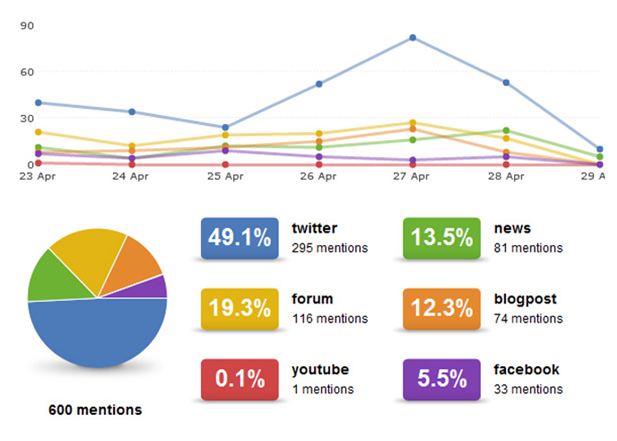
Social media monitoring—sometimes also referred to as social media listening—is more than simply responding when you’re mentioned online, or when someone complained about your products.
The best social media monitoring strategies not only help surface conversations but also help you understand them more deeply so you know how best to use the knowledge you gain. In the end, social media monitoring help your brand and business improves in the cheapest and most effective way possible.
You can use social media monitoring for many different reasons, such as:
- To find great content to curate for your audience.
- To keep an eye on your competitors or other folks in your space.
- To provide amazing customer service,
- To look for opportunities to grow and improve your products or service, or maybe all of these!
For all the benefits and opportunities social media monitoring provides, it’s a surprisingly small investment of time and energy. You don’t have to spend hours a day to get all the benefits. All you need is the right plan in place – and a few tools to make sure everything you want to see is coming in, with all the noise filtered out. Here’s a quick guide to help you get started reaping all the benefits of social media monitoring:
1. What to Monitor?
The first step is to know what’s to monitor and what types of searches will net you the best results. Here are some ideas to kick start your social media monitoring activities.
A. Brand or Company Monitoring
- Your brand name.
- Variations of your brand name.
- Names of employee or members of your company.
- The name of campaign you are running.
- Catchphrase, slogan, or tagline.
- Keywords that related to your products or your brands
B. Industry Monitoring
- Your competitor.
- Keywords or phrases that describe your industry.
- Popular hashtags.
- Latest trend in your industry.
- How to Monitor?
Once you’ve got an idea of why you’re entering social media monitoring and what you want to monitor, you’ll want to enter your searches into a tool that can keep an eye on your queries for you and serve up the results.
- What to Look For?
The beauty of social media monitoring is that there’s really no telling what you’re going to find. It’s kind of like box of chocolate—you never know what you’re going to get.
But generally, the most useful result you can uncover from your monitoring effort is an opportunity. These opportunities can take many forms—it could be a chance to create a new piece of content, build a new relationship or even change your product or service to solve a common problem.
Now, when I say ‘Opportunity’ it means there are 7 things that you can track with social media monitoring:
- Sentiment
Are people saying bad things about your brand? Or perhaps they are exalting your brand? Do you see a pattern or a way to change the sentiments into mostly positive ones?
- Questions
Are you seeing the same frequently asked questions about your brand or industry? Maybe there’s an opportunity to create a content or infographic that can help answer these questions.
- Feedback
Feedback on your product or service is always useful, especially the kind of feedback you can hear through conversations on Twitter. You don’t have to step in with a response right away; the listening is what’s important here.
- Complaints
Are multiple customers having the same problems with your product? Maybe that’s a sign to make a change, or alter the way you provide customer service. Are multiple people complaining about the same industry-wide problem? Sounds like a great opportunity for a problem-solving resource.
- Content
Social media monitoring is a great way to find all sorts of content—content you can share with your audience. You can share them, or you can modify them with your own creativity. Are you seeing the same content types and content topics shared again and again? That’s a good sign your content might need to focus on those types and topics.
- Trends
You can listen to what the latest trends among the netizen with social media monitoring. With that trend you can decide what kinds of products or activation you want to launch.
- Influencers
Close monitoring could help you discover someone in your industry whose voice resonates a little louder than most. What is that person creating or doing or writing that you can learn from? Is it someone you’d like to get to know? Or perhaps you want to make this influencer to be your brand advocate?
So, after you learn all this stuff about social media monitoring; what then?

(Image: http://i2.kym-cdn.com)
Go deeper. Literally. With social media listening, we can track all the points I have mentioned you above. But, we can also calculate the strength and image of our brand through brand equity. Brand equity could be calculated through these 3 factors below:
1. Net Perception/Sentiment
The net value of sentiment: the opinions and feelings of consumers expressed in social media, to an issue or figure in the world of social media.
2. Social Influence
Index to measure the effect of an issue, figure, or brand in social media.
3. Net Brand Reputation
The net value of brand’s reputation or figure’s reputation in the number of social media regarding certain issue.
By calculating these three factors, you can see how big your brand equity on the internet. Pretty simple right?
But before you can calculate all these figures, you need to figure out and try social media monitoring which is suitable for you. Create a work flow to filter all those information and use all the filtered information for your brand or business benefits.
Case Study
To understand the nature of social media listening, I believe that we need learn via practice. Well, not a practice in literal sense. I’m going to give you a few examples of some of our clients that using social media listening as means of improving their businesses.
A. Customer Service Champion
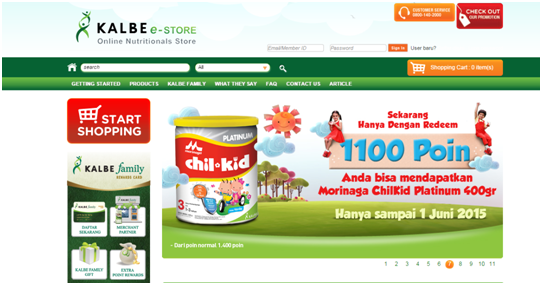
One of our prominent client is Kalbe Nutritionals; one of the biggest pharmaceutical company in Indonesia. They strive to increase their presence in digital world, and to cater to needs of customer via social media.
They created a hub in Facebook in a form of a Fan Page to answers all of the needs and question of their consumer. Of course, they also have the ‘normal’ customer service lines, but in the digital age, the phones or the messages is not enough.
Kalbe Nutritionals has over a million fans in Facebook. They realize that they have a really big consumer base, so they forge a digital ‘base’ in order to create a connection with their consumers.
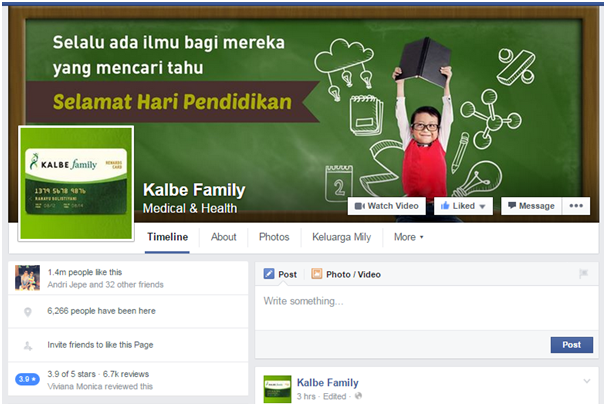
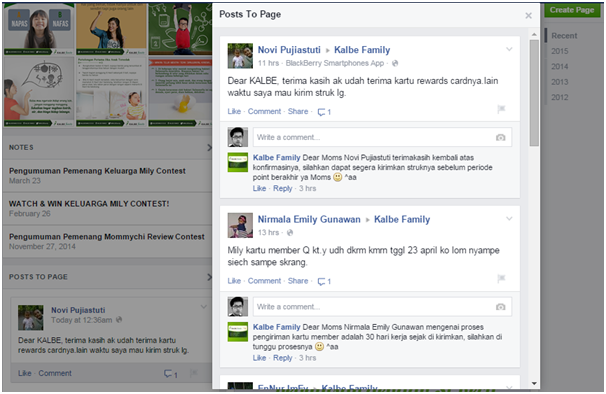
As you can see in the pictures, there are lot of questions, complaints, and comments every day. So it’s our job to answer every consumer post in shortest and most pleasant way possible. Solve their problems, and to thank them for their contribution. So basically it is our job to connect and to listen to the consumers, in order to create a brand experience and loyal following.
One of Kalbe Nutritionals products: Milna, Lovamil, and Cerebrovit X-Cel also use the same approach in creating a presence in Social Media; they focuses on connecting with their consumers via customer service by answering all responses from the fans/followers.
B. PR Damage Control
If there’s an award for damage control, then NBA and its new commissioner, Adam Silver, deserved to receive one.
Donald T. Sterling, owner of the Los Angeles Clippers (an NBA team), was caught making a racist remark made on a recording. That record was leaked to TMZ.com and create a wave of anger and fury on the media.
Realizing that the NBA could receive a damaging backlash to its reputation, Adam Silver quickly launched a series of PR ‘recovery’ that started with a press conference, announcing that the NBA will ban Donald Sterling for life.
The PR recovery did not end with just a press conference. NBA kick start a hashtag called #WeAreOne to enunciate its support to ban Donald Sterling and to eradicate racism in NBA for as long as it take.
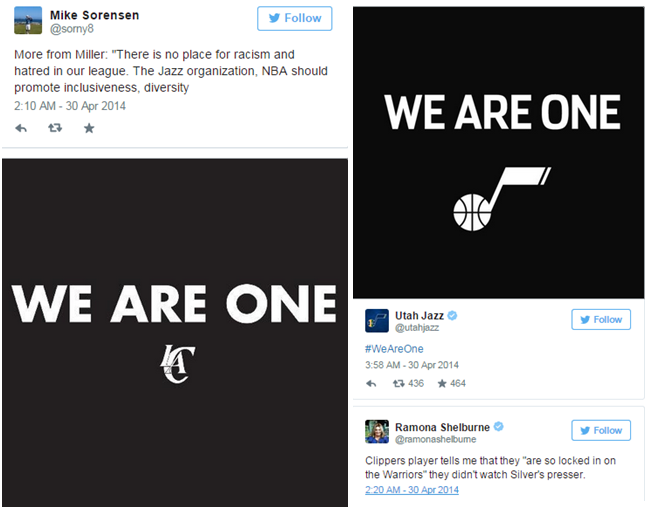
(Image source: http://www.deseretnews.com)
Another smart move from Adam Silver is that he created a Q&A session in Facebook via Warriors official fan page to address the issue and to answer his actions.
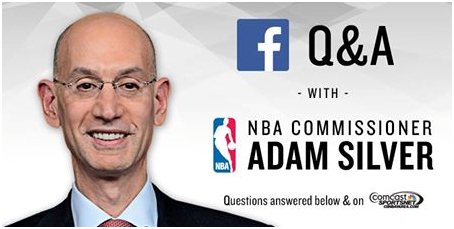
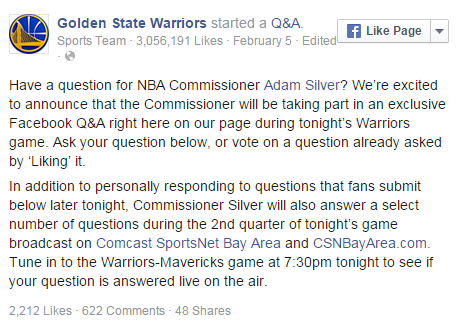
Hundreds of question and comments from people flooded the fan page. Not to mention when the Q&A session ended, Adam Silver provide an ‘extra time’ for answering people’s question via his own Facebook official page!
NBA players were satisfied by Sterling’s support, the national customer base and sponsors rallied around the brand, and Silver quieted the media hoopla in time for the NBA Finals to take center stage. The NBA achieved a classic benefit of great crisis PR: It strengthened its brand with a halo effect
C. Product Development
Social media listening is replacing focus group discussion, as many companies listen in on consumers’ conversations in the hope of creating the products they really want. Believe it or not, social media is great way to develop your product.
Only few people realize that when using social media, they become a part of a crowd. So, when you use social media to develop your products, you use crowdsourcing as a way to design, develop, and create something.

(Image:http://www.thecollegedriver.com)
Nissan decided to use social media to create a buzz around its 370Z sports car. It waded through Facebook comments and wall posts to choose fans’ suggestions for a special, souped-up version of the vehicle, nicknamed ‘Project 370Z’, one of which was manufactured three months later.
After the success of Project 370Z, Nissan is looking to repeat the trick with its Titan Pickup truck. For Project Titan, the automaker let fans vote on 10 different areas to customize on a 2014 Titan Crew Cab PRO-4X. With help from the passionate Nissan Trucks Facebook fan base, the crowd-sourced, custom-made Project Titan is complete

(Image:http://www.autoguide.com)
A report by Kalypso, product development consultants, said companies using social media to create new products were cutting the length of the time it takes to get to market and cutting product development costs. Compared with products not designed using social media, they saw faster adoption rates among consumers, a 6 per cent higher market share on average and improved revenue from the products by 5 per cent.
So, are you listening yet? Because if you don’t. You are missing out a lot, that’s for sure.


e)